PV WCS by Procon Ventures

Don't Fight Hard Water. Change Its Behaviour.

Hard-water scale costs industrial and commercial operations in energy loss, maintenance shutdowns, and shortened equipment life — often without visible warning until the damage is done.

PV WCS is a physical water conditioning system that takes a fundamentally different approach. Instead of adding chemicals or stripping minerals with salt, PV WCS changes the behaviour of dissolved minerals so they form microscopic, non-adherent crystals that stay suspended in the water rather than bonding to pipe walls, heat-exchanger surfaces, or cooling-tower components.

No chemicals. No salt. No recurring consumables. The same water. Better behaviour.

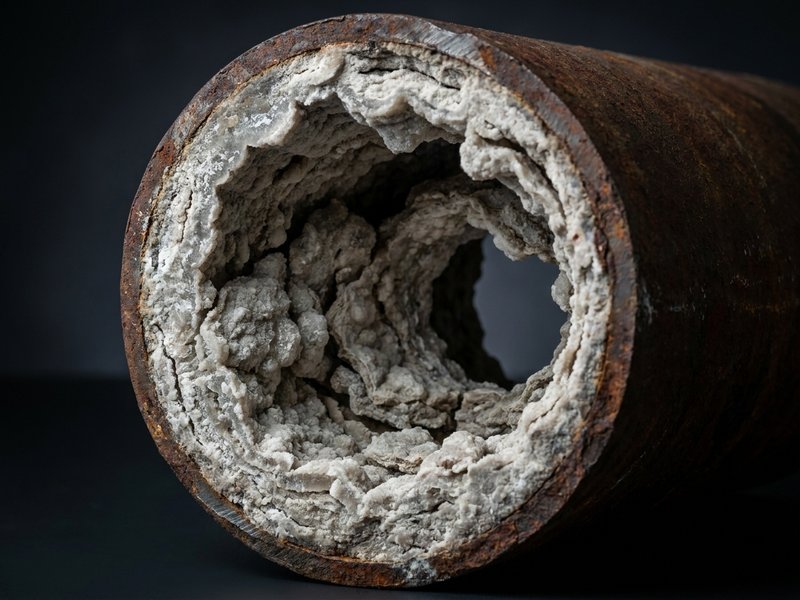
Industrial pipe cross-section showing severe hard-water scale buildup on interior walls Scale deposition — heat exchanger interior
The Problem

Scale Is a Silent Efficiency Problem

For operators of cooling towers, boilers, heat exchangers, HVAC systems, and water-dependent industrial equipment, hard-water scale is rarely dramatic — until it is. It builds gradually on internal surfaces, acting as an insulating layer that forces heat-transfer equipment to work harder to achieve the same output. Energy consumption climbs. Cleaning intervals shorten. Unplanned maintenance shutdowns interrupt production schedules and delay deliveries.

Over time, the mechanical stress of scale deposits — combined with the localised overheating and corrosion they promote — shortens equipment service life. Facilities relying on chemical dosing or salt-based softening to manage this problem face a separate set of costs: routine chemical procurement, safe handling and storage, chemical waste management, and the operational overhead of maintaining those treatment programmes.

For facility managers, engineering consultants, HVAC solution providers, and industrial operators across manufacturing, food processing, hospitality, healthcare, power generation, and commercial property, the question is not whether scale is a problem. It is whether the current approach to managing it is the most effective one available.

3mm scale adds ~25% energy loss
0 chemicals required with PV WCS
5yr product warranty
The Solution

A Physical Approach to Water Conditioning

PV WCS operates on a principle that most conventional water treatment does not: rather than removing hardness minerals or neutralising them chemically, it changes the physical state in which those minerals exist inside the water.

When water passes through a PV WCS unit, the dissolved minerals that would ordinarily crystallise as hard, adherent scale on equipment surfaces are instead induced to form microscopic non-adherent crystals. These crystals remain suspended in the water flow and pass through the system without depositing on internal surfaces. The mineral content of the water is unchanged. What changes is how those minerals behave when conditions would otherwise cause scale to form.

The result is a conditioning approach with no chemical dosing cycle, no salt regeneration, and no ongoing consumables requirement. PV WCS can be assessed for integration into existing pipeline and system configurations — each application is evaluated on its specific operating conditions, water chemistry, and system design to confirm suitability and expected performance.

A technical consultation is where that assessment begins: it is a structured review of your system, not a generic sales call. Application assessments go further, producing a site-specific recommendation. Product demonstrations and full technical documentation are available to support evaluation at any stage.

No chemical dosing No salt regeneration No consumables Minerals retained Inline installation
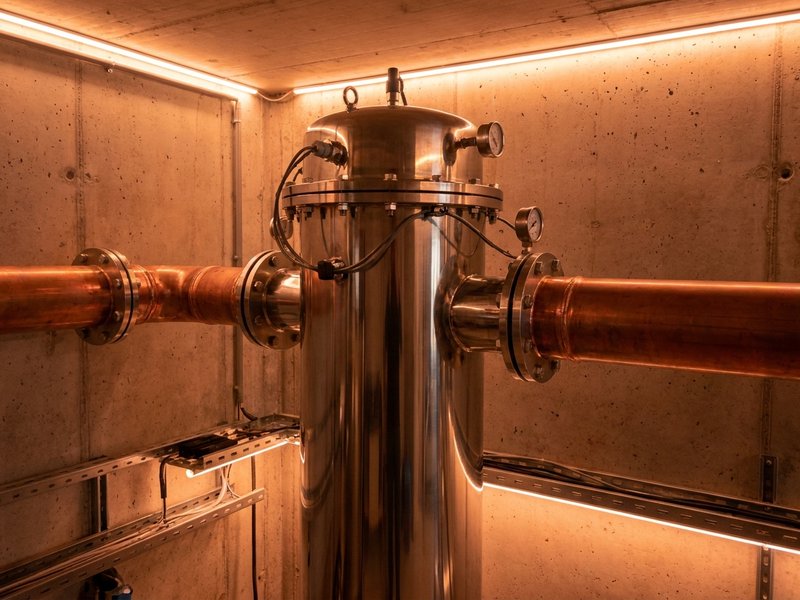
PV WCS physical water conditioning unit installed on industrial piping
What Makes PV WCS Different

Eight reasons operators choose a physical conditioning approach

Chemical-Free Conditioning

PV WCS requires no chemical dosing at any stage of operation. There is no chemical feed system to maintain, no dosing schedule to manage, and no chemical inventory to procure or store — eliminating a category of operational cost and compliance overhead entirely.

Salt-Free — Minerals Stay In

Conventional water softeners exchange hardness minerals for sodium, consuming salt and producing a brine discharge stream. PV WCS does neither. It does not remove hardness minerals; it changes their physical behaviour. The water retains its mineral content in a form that does not adhere to surfaces.

Minimal to No Recurring Consumables

Once installed and commissioned, PV WCS does not require chemical refills, salt top-ups, or filter media replacement as a routine operational input. The absence of consumables reduces both the direct cost of treatment materials and the procurement and logistics overhead associated with them.

Minimal Maintenance Requirement

Without a dosing system, regeneration cycle, or consumable-dependent process to sustain, the ongoing maintenance demand of PV WCS is significantly lower than chemical or salt-based treatment alternatives — reducing the burden on operations and maintenance teams.

Eliminates Chemical Handling Risk

Chemical-based water treatment requires safe handling, storage, and disposal of treatment compounds. PV WCS removes that requirement from the operation, which has direct implications for site safety protocols, staff training obligations, and waste management procedures.

Supports Cleaner Operations

By eliminating chemical dosing and salt discharge from the water treatment process, PV WCS removes two sources of treatment-related chemical input from the water system. For facilities working to reduce their chemical footprint or simplify their environmental compliance obligations, that is a concrete operational change — not an aspiration.

Integration Into Existing Systems

PV WCS is assessed for compatibility with existing pipeline and system configurations on an application-specific basis. Integration potential is confirmed through a technical assessment rather than assumed — ensuring the recommendation fits the actual system rather than a generic installation scenario.

5-Year Product Warranty

PV WCS carries a 5-year product warranty, providing a defined assurance period for the equipment. Warranty terms apply subject to installation and operating conditions assessed at the time of application review.

Industries & Applications

Where hard-water scale affects your operation

Hard-water scale affects any operation where water contacts heated surfaces, circulates through closed loops, or passes repeatedly through industrial equipment. PV WCS is assessed for application across a wide range of industrial, commercial, and institutional contexts.

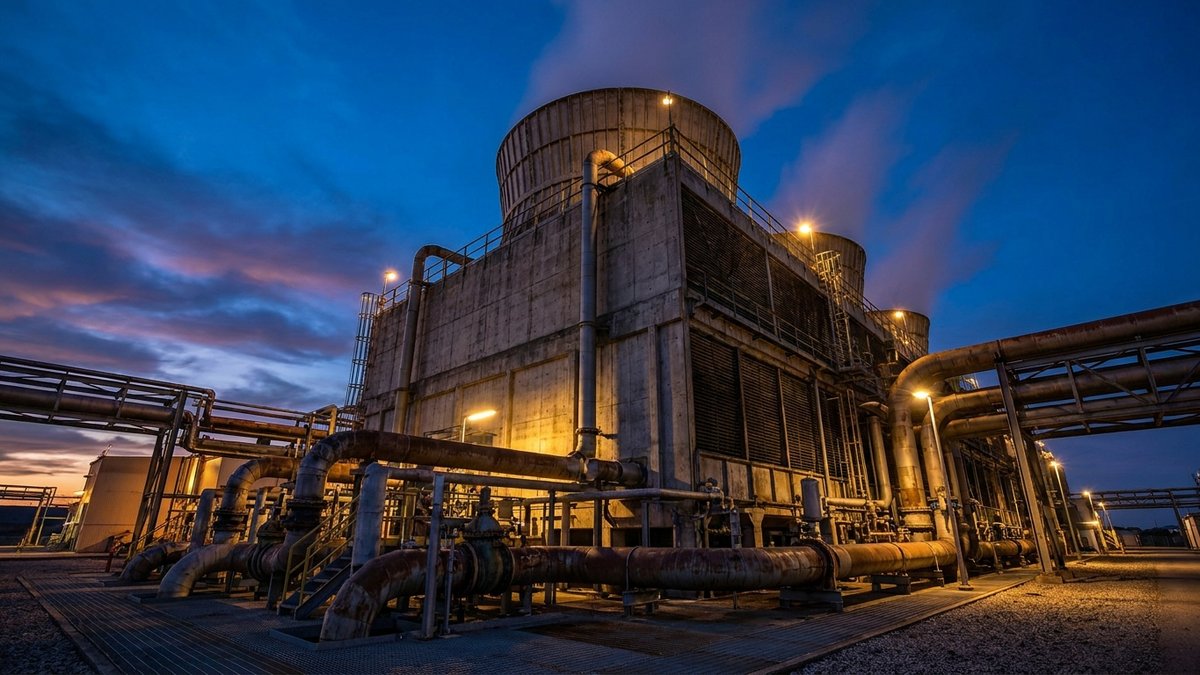
Industrial cooling tower with steam rising at dusk

Cooling Towers

Scale on fill media, spray nozzles, and heat-exchange surfaces reduces cooling efficiency and increases blowdown frequency.

Boilers and Heat Exchangers

Scale deposition on heat-transfer surfaces is a direct cause of energy inefficiency, overheating risk, and premature equipment failure.

HVAC Systems

Chiller coils, condenser water circuits, and fan-coil units in commercial and industrial HVAC installations are all susceptible to scale-related performance loss.

Hotels and Hospitality

High water consumption across laundry, kitchens, and guest services makes scale management a persistent operational and maintenance concern.

Hospitals and Healthcare Facilities

Water system reliability and hygiene standards in healthcare environments place specific demands on conditioning approaches.

Food Processing Facilities

Process water quality and equipment cleanliness are critical in food production, where chemical treatment introduces its own compliance considerations.

Textile Plants

Hard water in textile processing affects dyeing consistency, equipment condition, and process water quality.

Power Plants

Scale in cooling circuits and condensers in power generation has direct consequences for thermal efficiency and output.

Manufacturing, Steel and Automotive

Process cooling systems, hydraulic circuits, and wash stations across manufacturing operations are common sites of scale accumulation.

Chemical Industry

Process water systems in chemical operations require reliable conditioning approaches that do not introduce additional chemical variables.

Educational Institutions

Large campuses with centralised HVAC, catering, and domestic hot-water systems face scale management across multiple building services.

Engineering Consultants and System Integrators

Consultants specifying water conditioning for new or refurbished installations can assess PV WCS as a chemical-free alternative for applicable projects.

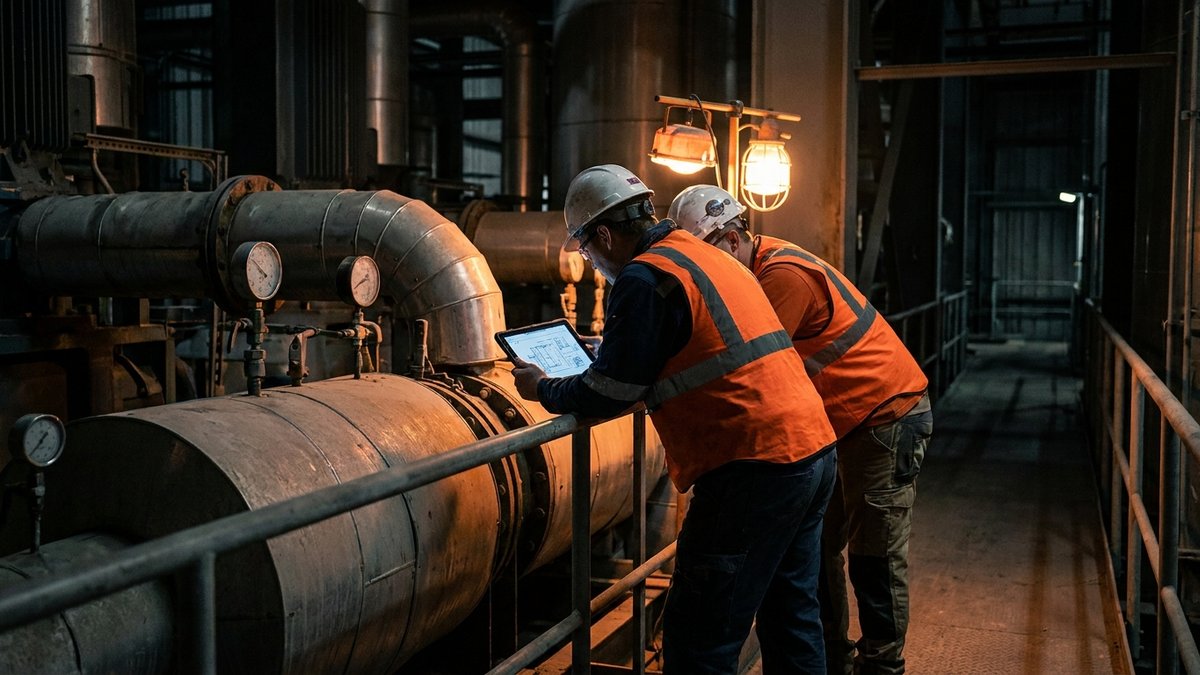
Engineers reviewing technical documentation for water system assessment
Why Operators Choose PV WCS

Four commitments behind every installation

5-Year Product Warranty

A 5-year product warranty is included with PV WCS, providing a defined equipment assurance period backed by Procon Ventures.

Industrial Application References

Industrial application references are available for consultation through Procon Ventures. References are shared on an approved basis as part of the technical evaluation process — contact us to request details relevant to your industry or application type.

Expert Technical Support

PV WCS is supported by a technical team available to assist with application assessment, installation guidance, and operational queries. Support is part of the product relationship, not a separate service tier.

Application-Specific Assessment

No two water systems are identical. PV WCS suitability is confirmed through a structured assessment of your system's operating conditions, water chemistry, and configuration — so any recommendation is grounded in the specifics of your application.

Take the Next Step

Find Out If PV WCS Is Right for Your System

A technical consultation with the PV WCS team is a structured review of your water system, operating conditions, and current treatment approach — not a generic product pitch. It is the starting point for an honest, application-specific assessment of whether physical water conditioning is an appropriate fit for your facility.

If you are evaluating options before specifying a project, a product demonstration or full technical documentation pack is also available on request. Water treatment companies, HVAC solution providers, industrial equipment dealers, and system integrators interested in carrying or recommending PV WCS are welcome to enquire about dealer and distributor partnership arrangements.

Get in Touch

Request a Technical Consultation

A structured review of your system, your operating conditions, and your current treatment approach. Fill in the form and a member of the PV WCS technical team will be in contact to arrange a time.

Address 1916, Scheme No. 114, Part 1, Niranjanpur Road, Indore, Madhya Pradesh, 452001, India

Send us a message